
Abe David spent the weeks leading up to the US midterm elections in Texas observing the popular shifts under way in American society.
I had the experience first-hand of US politics, travelling through Texas during the recent midterm elections.
What came through, perhaps surprisingly, was the spirit of Australia’s former Labor prime minister, Ben Chifley who once observed that the hip-pocket nerve dictates most in retail politics.
Donald Trump, it should be remembered, was elected in 2024 on just a handful of issues: bring down the cost of living; bring manufacturing back to the US to create good paying jobs; stop the forever wars that rip through daily American life.
Trump promised to “put America first” and invest in people as opposed to spending on conflicts in the Middle East in cahoots with Israel, or in Europe to expand NATO, or in Asia to contain China.
On these, he has largely failed.
He also said he would “clean up” the “open borders” allowed by the Democrats, which he and his rightwing cohort claimed had led to a “flood of people” into the US and a growth of criminal activity.
In 2024, many Hispanics in southern Texas voted for Trump as their life had been turned upside down during the Biden years with mass migration becoming an issue.
On this, Trump has largely managed to turn the screws on the southern border, but by overplaying his hand with ICE as an enforcement agency. This has led to violent attacks and raids on migrant communities, creating fear and anxiety among many of the Hispanic voters who had supported him just two years ago.
Everyone I spoke to about politics complained loudly about the cost of living, especially the spiking prices of diesel and petrol. For millions it has become a daily misery to drive to work – an expense for some that consumes much of their paltry wages.
The Democrats were able to capitalise on this, hammering home the unfairness of Trump and his friends increasing their wealth, while the mass of the population suffered with declining living standards, collapsing infrastructure and the threat of data centres pushing up power and water costs.
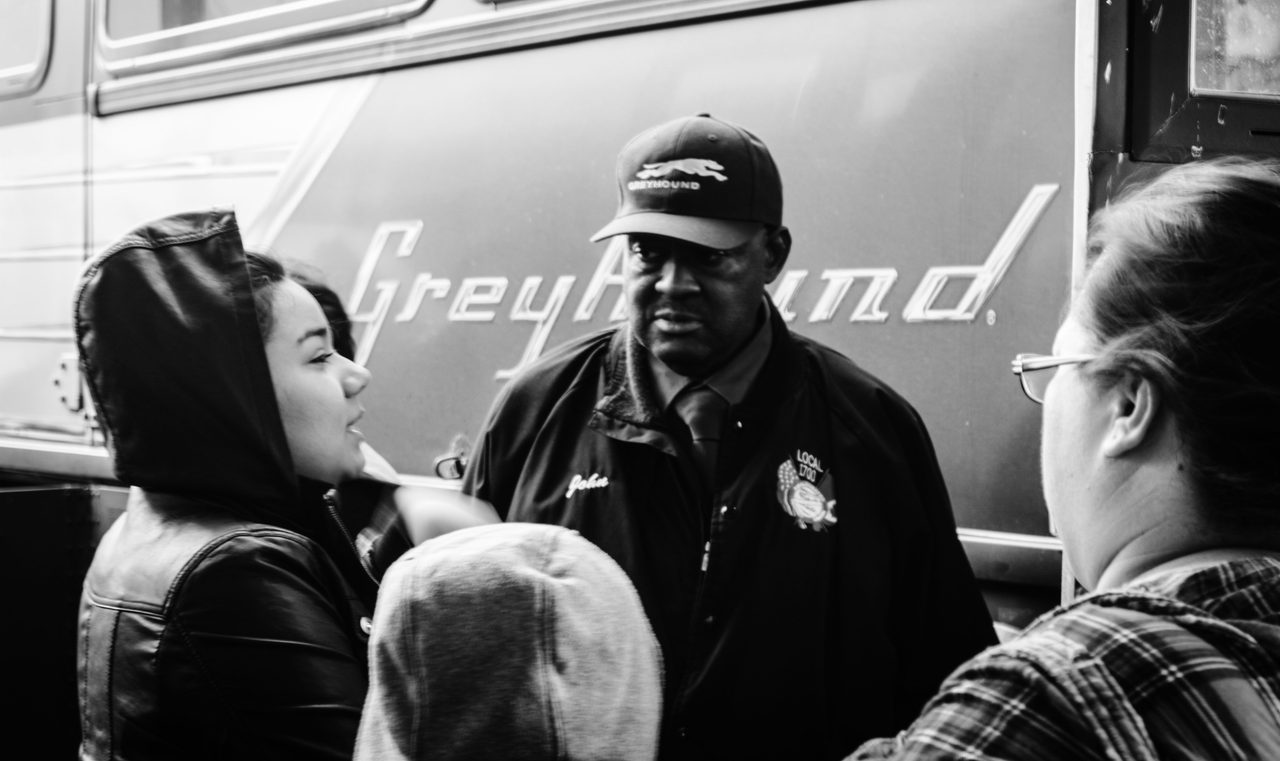
Greyhound buses in the US are owned by Flix SE, a private German technology company founded in 2011. It acquired Greyhound in 2021. To increase profitability, a number of the inner-city terminals have been closed and the real estate sold off.
That means passengers in cities as big as Dallas must catch metro buses to the edge of downtown, where they stand on street corners waiting for buses with no shelter or amenities, toilets or food. This is service provision for the poorest, who have accepted they have to put up with profits always coming before people.
This theme runs through many aspects of US society. Access to a clean and safe public toilet is like winning the lottery. Basic things most OECD countries take for granted are denied ordinary people. This flows through to the provision of health, education, housing…
All the while, huge profits are made in speculative stock markets, essentially betting exchanges where inside information from Trump’s inner circle is brazenly sold.
And wars, wars and more wars. The military-industrial complex now includes many new tech companies amassing profits all cheered on by the mainstream media.
At the midterms we got a taste that many people are beginning to understand they are being duped, losing faith in both the mainstream and the supposed ‘radical Trump alternative’.
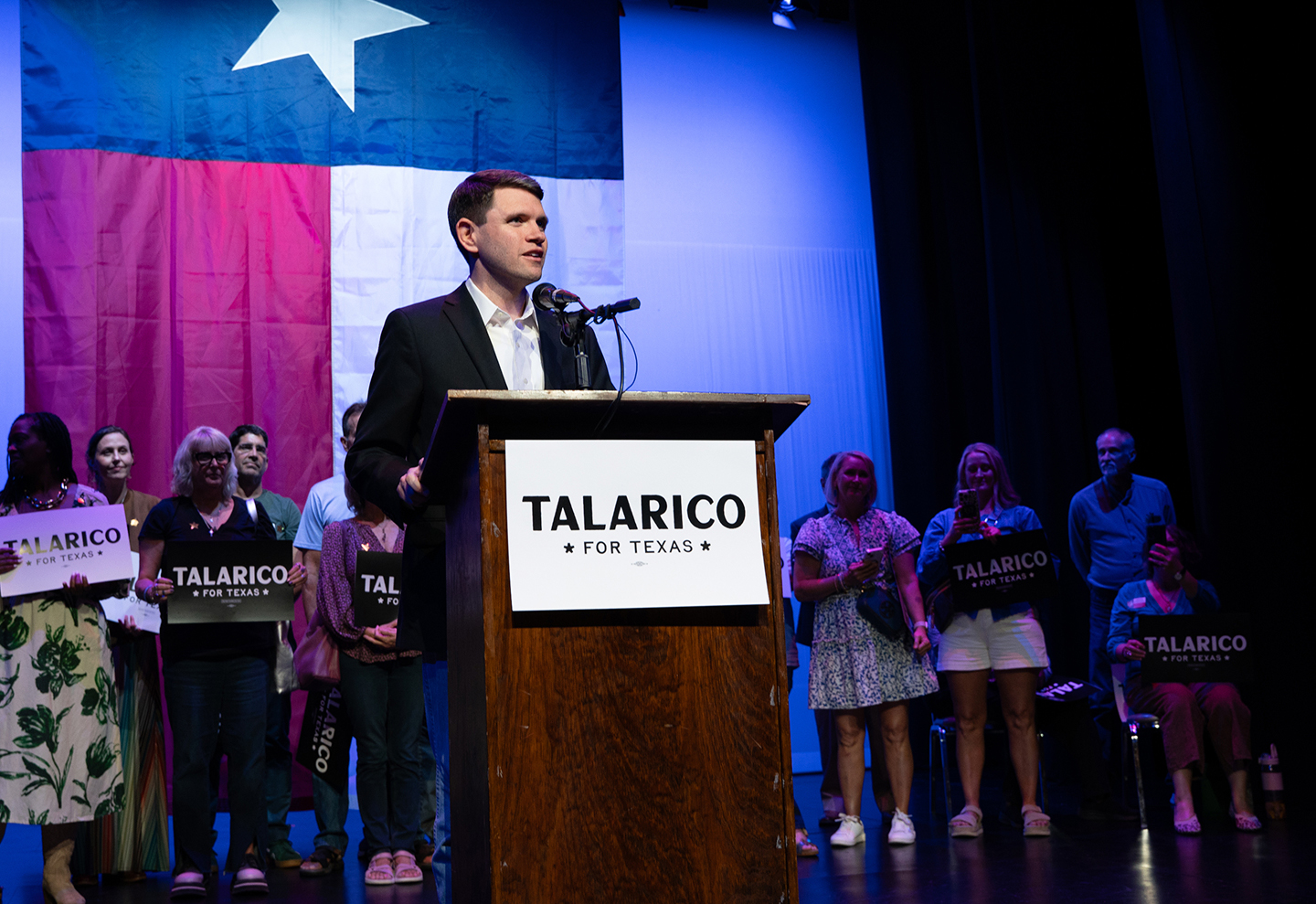
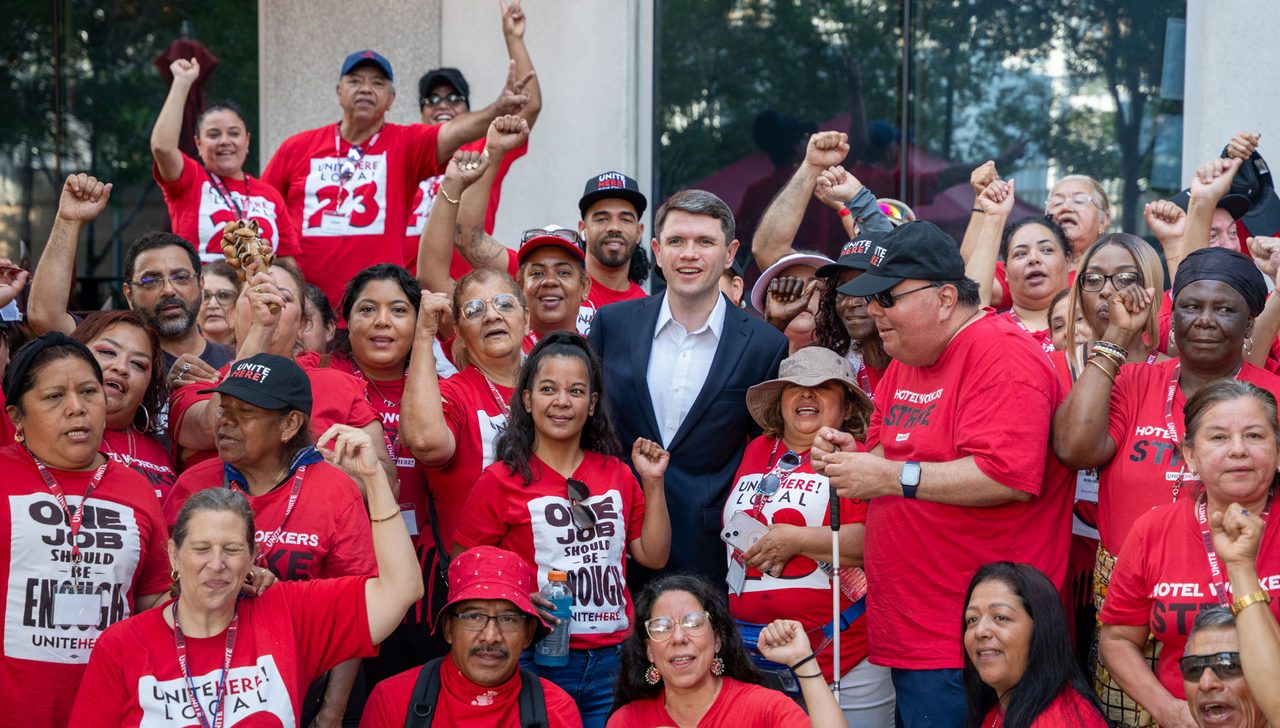
It was Democrat newcomers like James Talarico in Texas and Abdul el-Sayed in Michigan who hammered the home the theme of unfairness that Americans face in their daily lives, who met with resounding success.
Texas senator-elect, James Talarico, was a convincing voice on these questions, getting through to people on the street, becoming the first Democrat to win a Texas senate seat since 1988. This flowed through to the gubernatorial election, with Gina Hinojosa winning the position of Texas governor with 52.82% of the popular vote, ending a line of Republican governors going back to when Bill Clinton was president.
The Hispanics – particularly male Hispanics – who rode the Trump wave in 2024 have clearly shifted.
Despite the border tightening south of the Rio Grande, Mexican influence in this part of the US is palpable, too, with Mexican universities establishing campuses and companies from South of the Border setting up shop. Mexico is no longer the poor southern cousin, but has a strongly recovering economy with GDP up 3.2% in the September quarter compared with 12 months previously. This is despite the ongoing tariffs the US is applying.
Where will all this lead over the next two years up to the 2028 presidential election is unclear. The deep political divide will deepen as there is now no clear direction at the top of society, and growing discontent below.
The US ruling elite – which is increasingly divided – will have to concentrate on internal issues, but as a declining and over-extended global empire it remains deeply involved in external conflicts in the Middle East, Europe, Latin America and Asia. The forever wars continue.
This will also impact Australian society as the Albanese’s chosen role of playing loyal lapdog to a declining power will begin to bite. As a society, we will have to make some decisions and frankly Albanese seems stuck in the headlights.
The workers’ movement in Australia must deepen not only our understanding of how American society is changing, but what opportunities for economic cooperation and solidarity with workers exist in Asia.
If the Australian ruling elite is too dumb to realise this, then the workers’ movement must act to radically transform our society into one modern enough to deal with the economic and political realities of the 21st century.