
The US-Israeli assault on Iran has exposed the thin veneer of ‘green capitalism’, writes Marcus Strom.
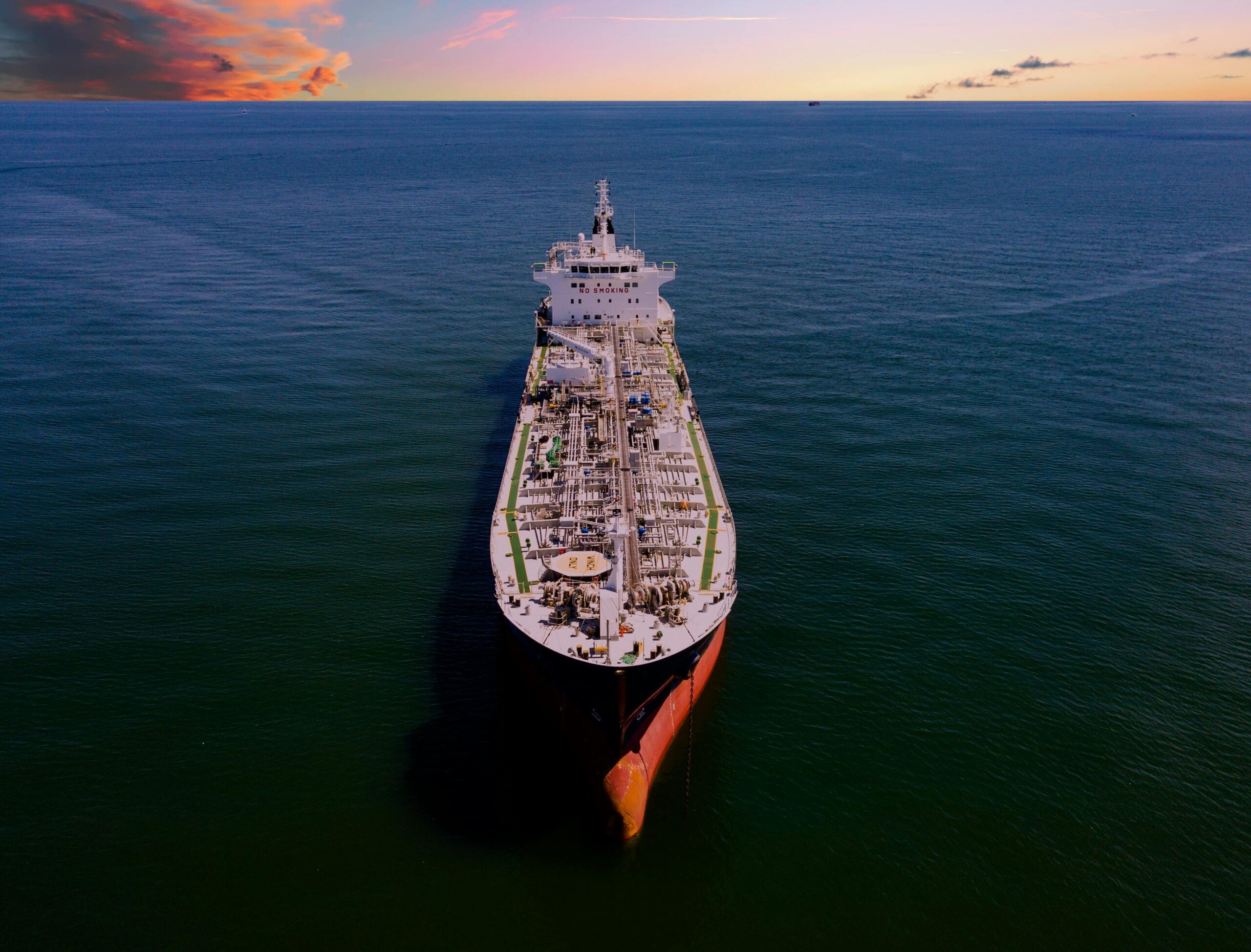
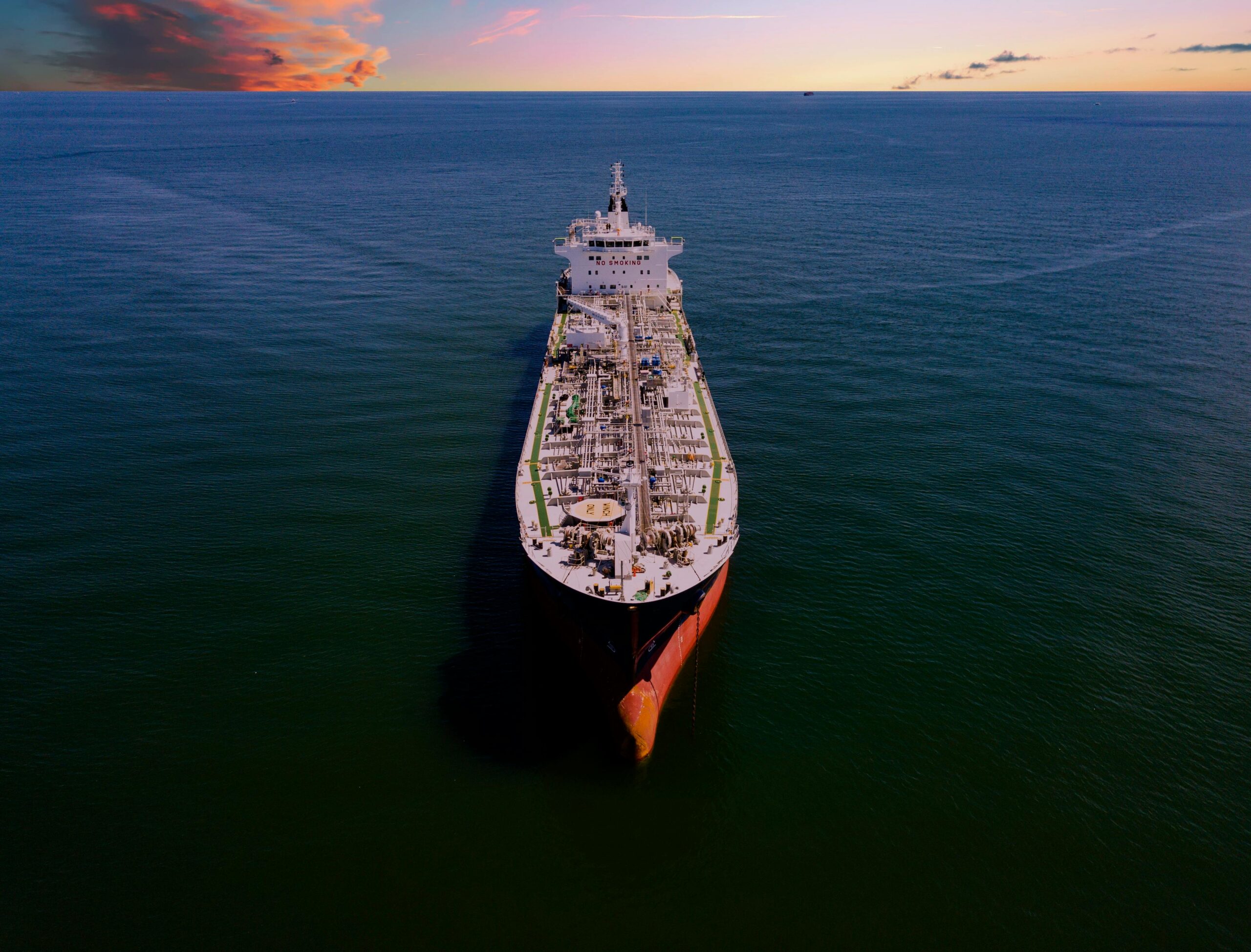
If there is one thing the Iran war and the blockade of the Strait of Hormuz has shown us, it’s that the global capitalist economy remains hooked on fossil fuels. This is not just for transportation, but for fertiliser, plastics and innumerable manufacturing components, including those needed to make electric vehicles.
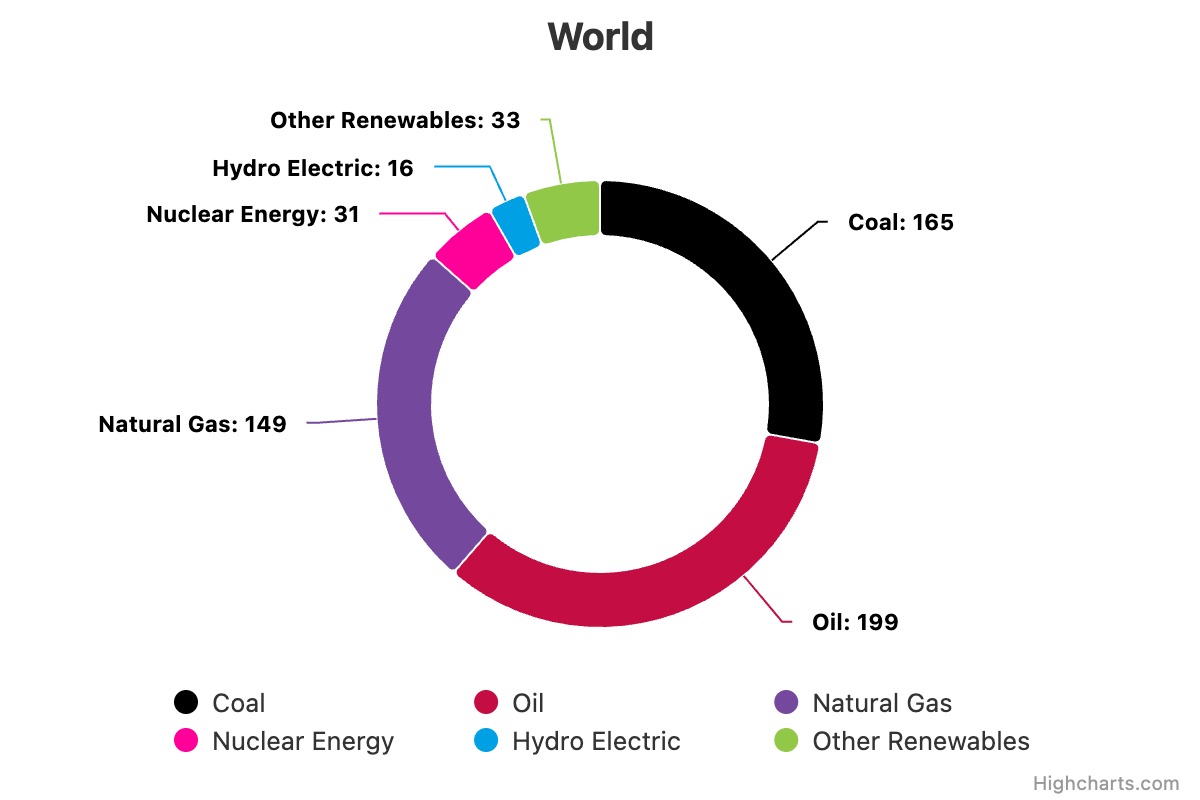
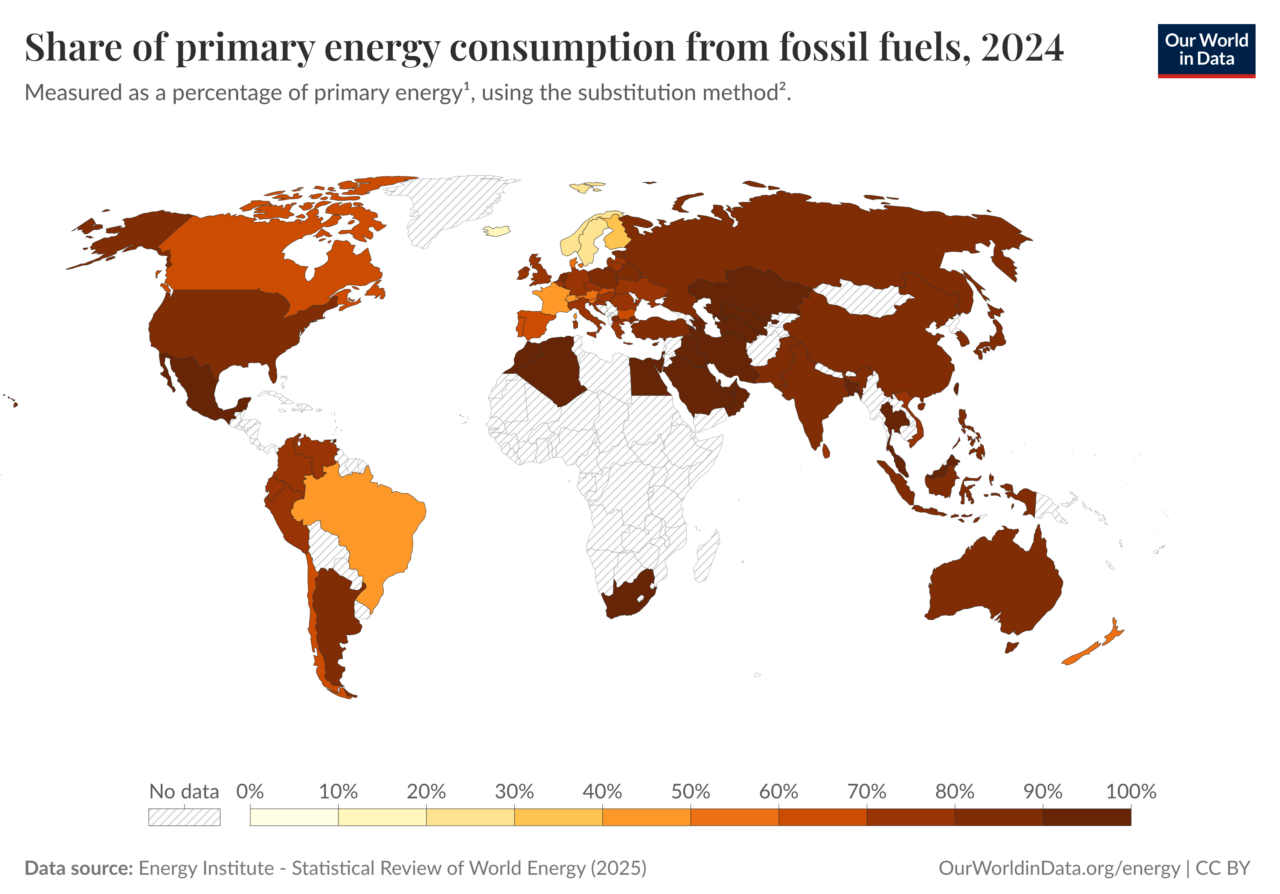
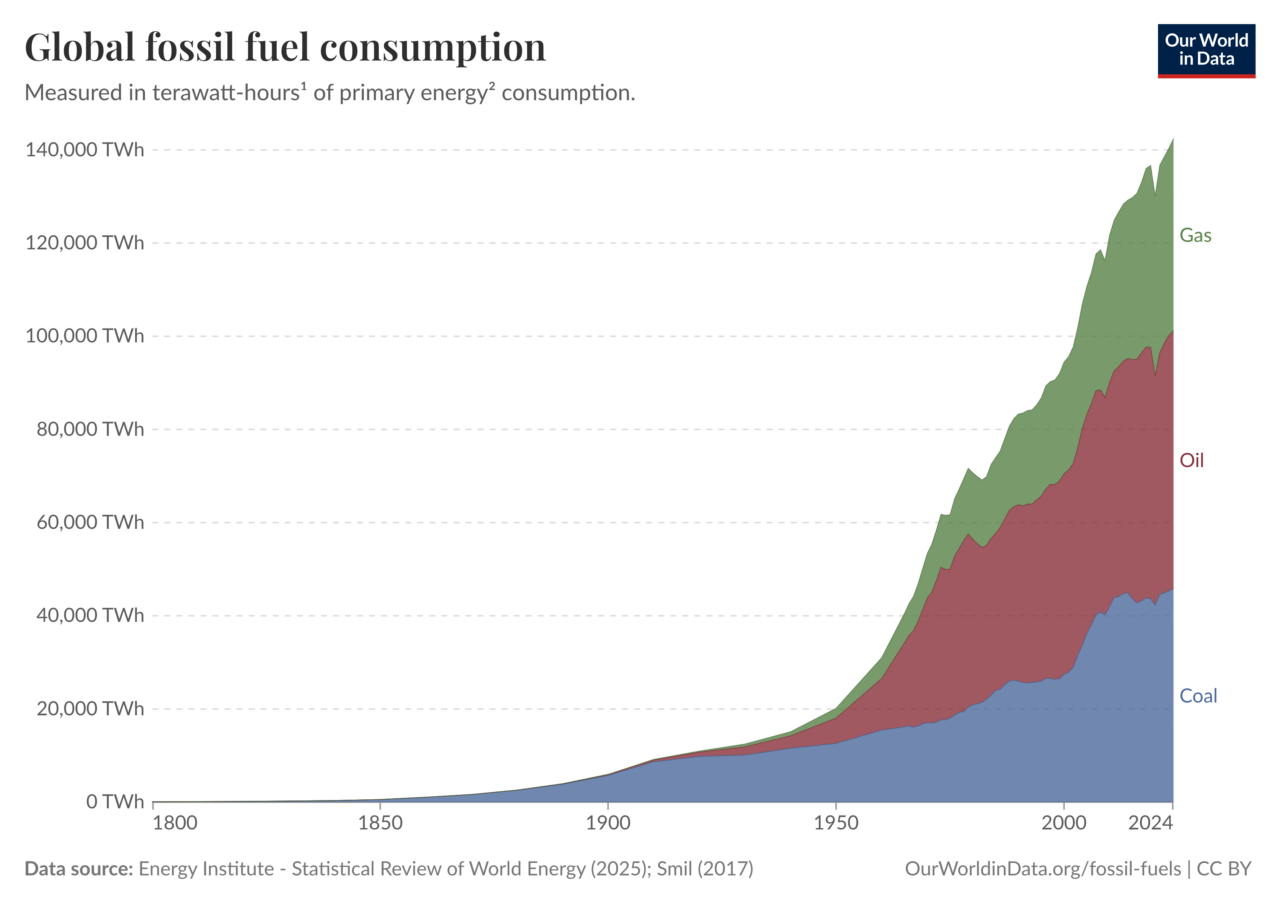
Despite the rapid growth of renewables in pockets of the world economy, fossil fuels still supply roughly 80% of global energy. Despite the existential urgency, the structure of the system has barely shifted.
The war has sent global markets into a panic. It has seen the Australian Prime Minister Anthony Albanese embark on shopping trips across Asia to ensure continued supply of oil to the Australian continent. It has also seen opportunists make billions.
Ever since the Paris climate agreement of 2015 – and before that the 1997 Kyoto protocols – the liberal elite has engaged in sanctimonious lecturing about the need to transition to renewable energy, often putting the onus on consumers to ‘do their bit’. Whether it is recycling plastic waste, separating your household garbage or trying to make working class people feel guilty about flying to Bali for a 10-day holiday – as if the climate crisis can be solved one household at a time.
Albanese has suggested people remove their roof racks to economise on petrol.
Fraudulent carbon credit schemes, opulent climate summits promising the Earth and delivering very little, options to give airline companies more of your hard-earned to make your holiday flight ‘carbon neutral’ – all revealed as sick shams as this war hits the global economy.
Meanwhile, the resource barons have been raking in super profits accessing the resources of our common wealth and paying very little tax. For ordinary punters it’s obvious that the lifestyles of the rich and famous haven’t changed, but we are told to change how we consume.
According to the International Energy Agency, nearly 15 million barrels of crude oil per day – about 34% of global seaborne oil trade – pass through the Strait of Hormuz. When that artery is threatened, the entire global economy feels it. And workers are expected to pay for it.
That is what fossil-fuel dependence under capitalism looks like in practice.
War delivers windfall profits
The Iran war has not just exposed dependence on fossil fuels – it has rewarded it.
The Financial Times reported that US oil refiners’ margins surged to between US$20 and US$25 a barrel, nearly double the level earlier this year. This is due to increased oil flows from Venezuela and opportunism in response to the Iran war.
The same paper estimated US oil companies were set to receive a US$63 billion windfall linked to the crisis brought on by the US-Israeli attacks on Iran.
This is how capitalism responds to climate breakdown and war: not with planning, but with opportunist profiteering.
While governments talk about emissions targets, energy shocks continue to generate super-profits for the biggest carbon polluters on the planet.
Australia remains deeply exposed
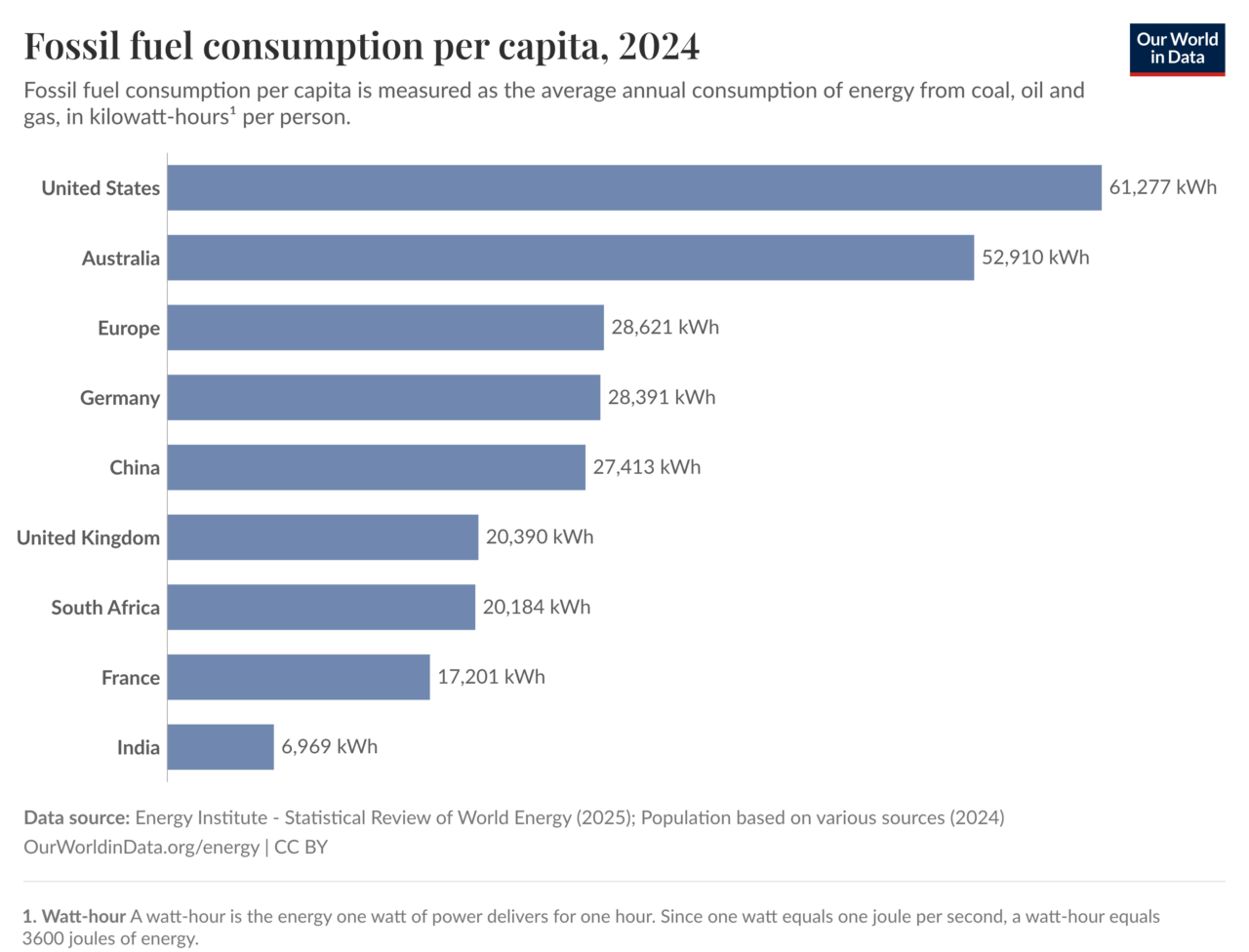
Australia’s position is especially revealing.
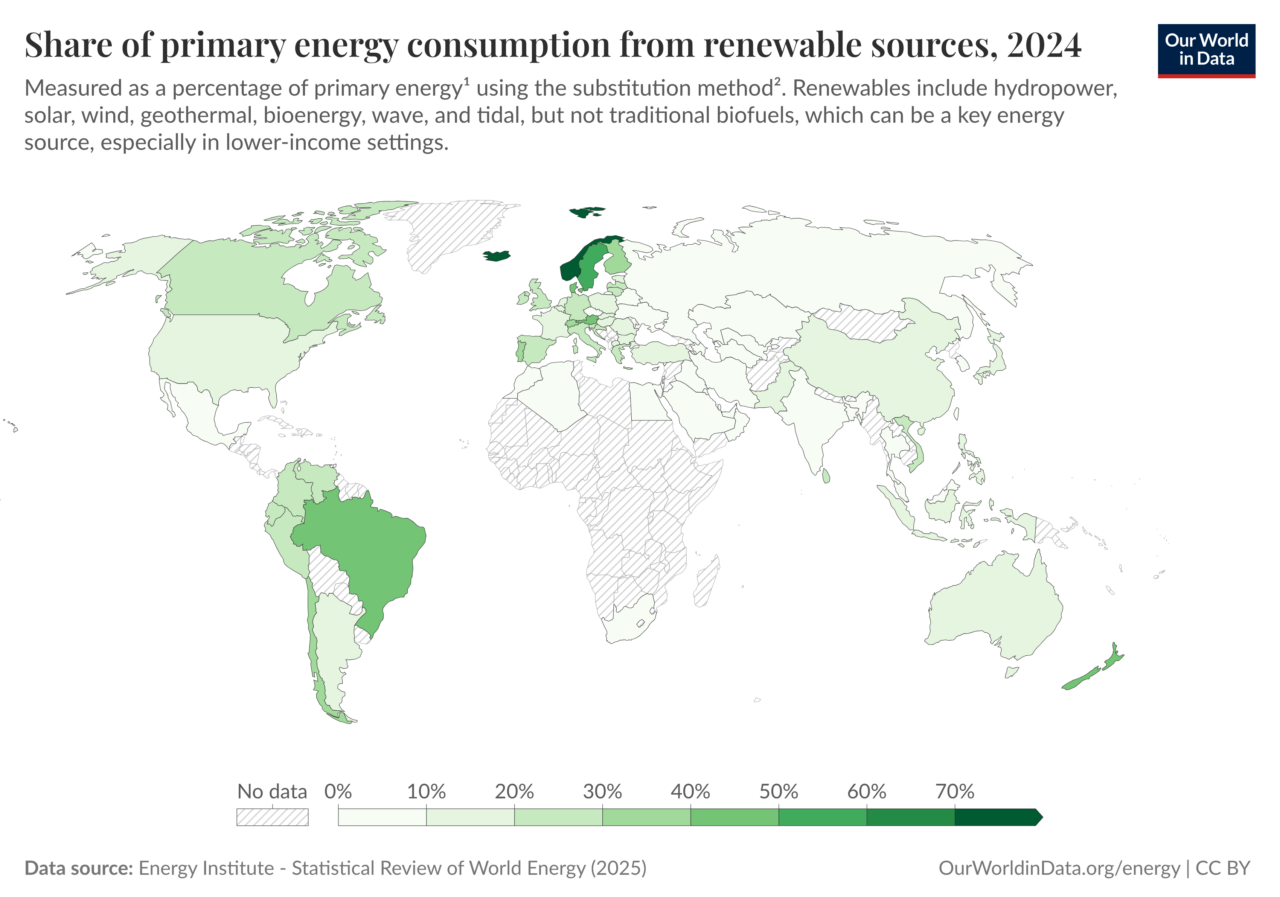
There has been a push to renewables for electricity production. Consumers are also voting with their roofs – Australia has the highest rate of household solar installation in the world. The Australian government has a target of 82% renewables for energy production by 2030. That is some ambition, but most pundits expect us to fall short and the government is reshuffling the target deck to set aims for 2035.
But these targets hide uncomfortable realities. These have been exposed by the Iran war. According to the International Energy Agency, Australia currently has net importation of more than 94% of its oil – a dramatic increase over the past two decades. Fossil fuels still account for about 91% of Australia’s primary energy consumption. Renewables make up just 9%. (To be clear, primary energy consumption covers all energy inputs, not just electricity needs. Transport alone accounts for nearly three-quarters of oil use.)
These figures expose the gap between climate rhetoric and reality.
Even as the Albanese government backs a war that has intensified global energy instability, it has so far refused to implement even modest increases in resource taxation on gas exports. The upcoming budget will put its rhetoric to the test.
Former industry minister Ed Husic MP has backed proposals for a 25% levy on gas exports. This is a positive step. When in cabinet he warned that there was not a shortage of supply driving up domestic prices but a “glut of greed” fuelled by gas companies.
While we would welcome such a tax, the truth remains: Australia’s natural resources should be publicly owned and democratically controlled, not handed over to multinational corporations extracting super-profits.
Even liberal economists like Ken Henry, former Secretary of the Treasury, have had enough, last week telling the Senate inquiry into gas to “cut the crap” and “just do it” – referring to the modest 25% tax on gas profits.
He said: “The resources we are talking about here – gas – were created millions of years ago. They are part of the natural endowment that this continent provides for the people of Australia, including for future generations of Australians.
“The people of Australia … trust politicians to look after their interests in respect of those natural resources. To ensure that the commercial benefits of those natural resources accrue to them and not to anybody else, or if they do accrue to anybody else for a reason that lifts the living standards of Australians.”
Of course, we should also ‘cut the crap’ of handing over such a natural resource monopoly to private profit. A nationalised energy industry could invest in a sovereign wealth fund to assuredly guarantee this natural endowment for future generations, not just for Australians, but in a way that radically reorients global economies to renewable energy.
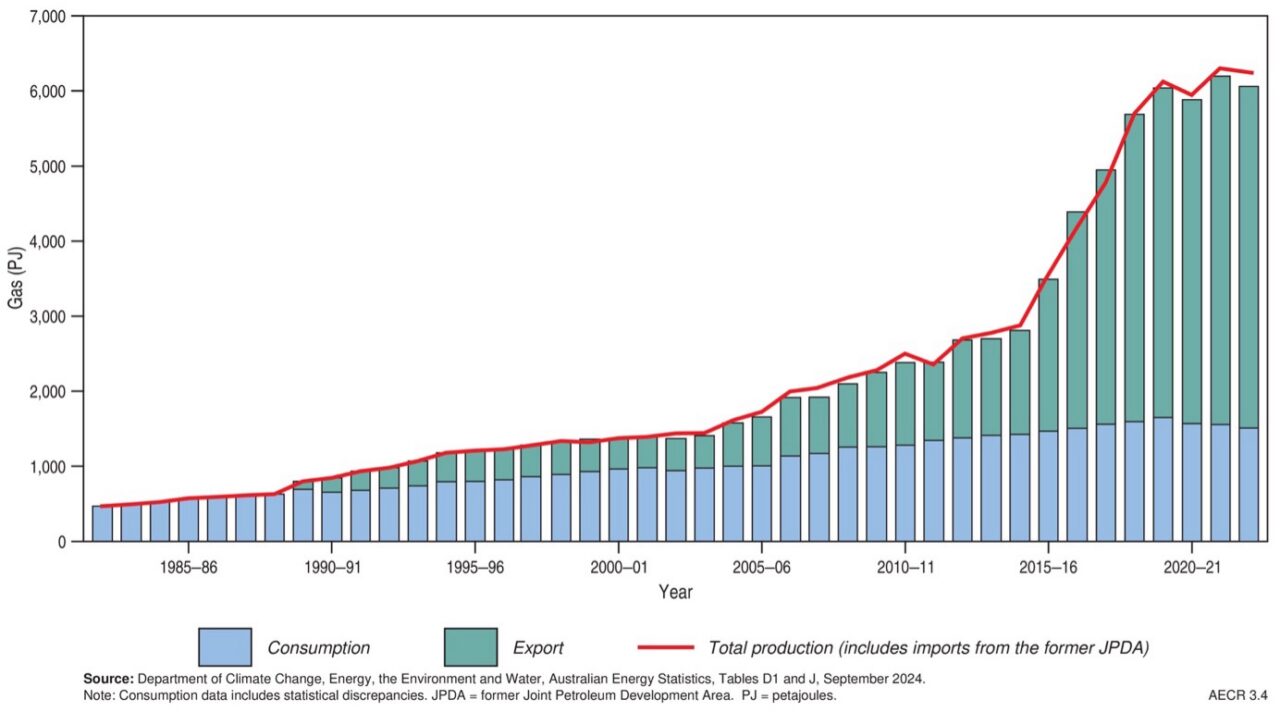
According to Geosciences Australia, in 2023 Australia produced 6,264 petajoules of gas, with between 70 and 80% of that being exported. Most of the profits go to a handful of companies. The Australia Institute reports that almost half the gas exported attracts zero in royalty payments to the Australian government.
The Paris targets are slipping out of reach
Meanwhile, the planet is approaching runaway climate change. The Paris climate agreement committed governments to limiting global warming to “well below 2°C” above pre-industrial levels and pursuing efforts to keep it to 1.5°C.
Those targets have slipped through our fingers.
The United Nations Environment Programme’s Emissions Gap Report 2025 concluded that current national climate pledges still place the world on track for roughly 2.3-2.5°C of warming this century. On present policies, warming could reach 2.8°C.
Despite years of conferences and commitments, emissions continue to rise.
This is not an implementation failure. It is a system failure.
Scientists warn that the 1.5°C threshold has been passed and the 2ºC target is likely to be exceeded within the next decade. According to the UN’s World Meterological Organization, the past 11 years have been the hottest on record.
This level of warming will have devastating civilisation-wide consequences – affecting agriculture, water systems, marine ecosystems, urban living conditions and coastal cities across the globe. The social dislocation it could cause might dwarf the impacts of war.
The idea that incremental policy adjustments within the existing economic system can prevent this outcome is becoming increasingly difficult to sustain.
The limits of ‘green capitalism’: fiddling while we burn
The Greens and other advocates of “green capitalism” argue that stronger targets, carbon markets, incentives and renewable investment within the existing economic framework can solve the crisis.
But the Iran war exposes the limits of that approach.
Capitalism is a global system organised around violent competition between corporations and nation-states. Energy policy is shaped not by environmental and human necessity but by strategic rivalry, export revenue and profit.
Even governments that proclaim ambitious climate targets continue expanding fossil-fuel production in the name of “energy security”.
That is not hypocrisy. It is how the system works.
The idea that climate breakdown can be solved country-by-country inside a competitive global capitalist economy is an illusion.
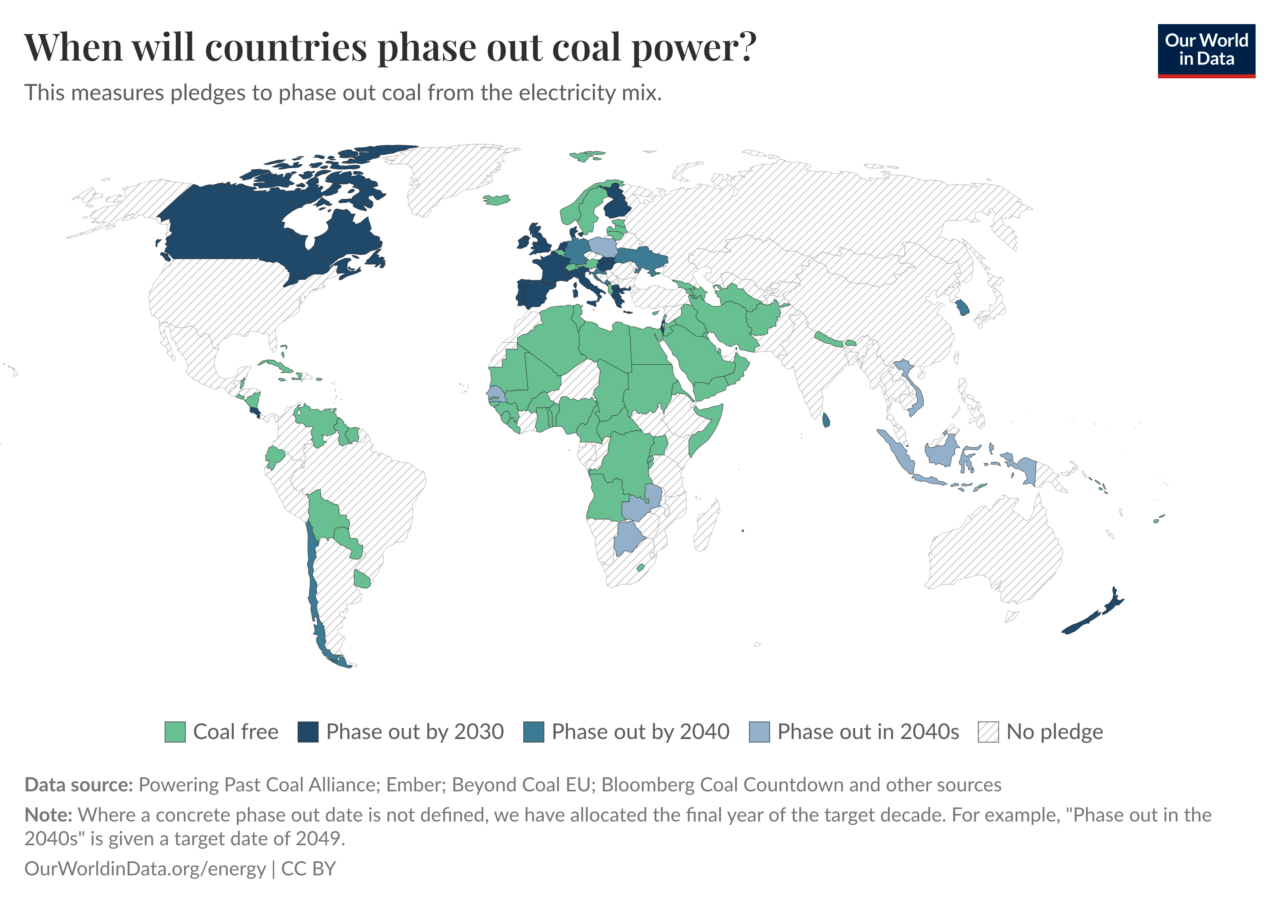
A global problem requires a global solution
Capitalism is a system of global militarised hierarchy that subordinates human labour to accumulation of private profit. It is based on national competition, not cooperation. It is fundamentally ill-suited to solve the climate crisis.
It is abstractly feasible that some sort of ‘green dictatorship’ under capitalism – similar to a war economy – could be introduced should the capitalist class view its own mortality in the climate crisis. But it would require the capitalist class to suppress its own instincts to pursue profit at all costs. It would not lead to universal human liberation but would result in an authoritarian global system, focused on saving capital accumulation, at the expense of human life.
The only rational way forward is through a global socialist system that can radically shift the economy from fossil fuels. While seemingly far away, we must bring it forward.
That means no more liberal tut-tutting or minimalist pledges from fossil fuel companies.
A planned global transition to renewable energy requires:
- public ownership of major energy resources
- coordinated international investment
- rapid expansion of renewable infrastructure – a jobs bonanza
- guaranteed jobs and retraining for fossil-fuel workers
- and democratic control over production priorities
These are not just technical questions. They are political ones.
This cannot be delivered by markets competing across national borders.
It will require a global mass movement for popular republican democracy. It will require a radical socialist reorganisation of the global economy under working class control.
Beyond minimalist change
The lesson of the Iran war is clear.
Fossil fuels remain central to the functioning of the capitalist world economy. As long as energy systems are organised around profit and competition in an imperialist world system, wars and climate breakdown will continue to reinforce one another.
Such wars reinforce that dependence. They produce massive spikes in carbon pollution. And climate targets continue slipping further out of reach.
Working-class people are right to be sceptical when they are told to change their behaviour while corporations accumulate windfall profits from crisis after crisis.
What is needed is not another round of minimalist climate pledges, fraudulent market-based fixes and greenwashing.
It is democratic public ownership of the energy sector and a global transformation of the energy system – planned democratically and carried out in the interests of humanity as a whole.
Only a socialist reorganisation of the world economy can begin the difficult work of slowing global warming while protecting jobs, livelihoods and the future of the planet.
Global socialism will also have the benefit of eradicating rapacious wars that threaten to plunge us into a nuclear inferno. Worth considering.